Community Living Magazine: A hand up to self-sufficiency
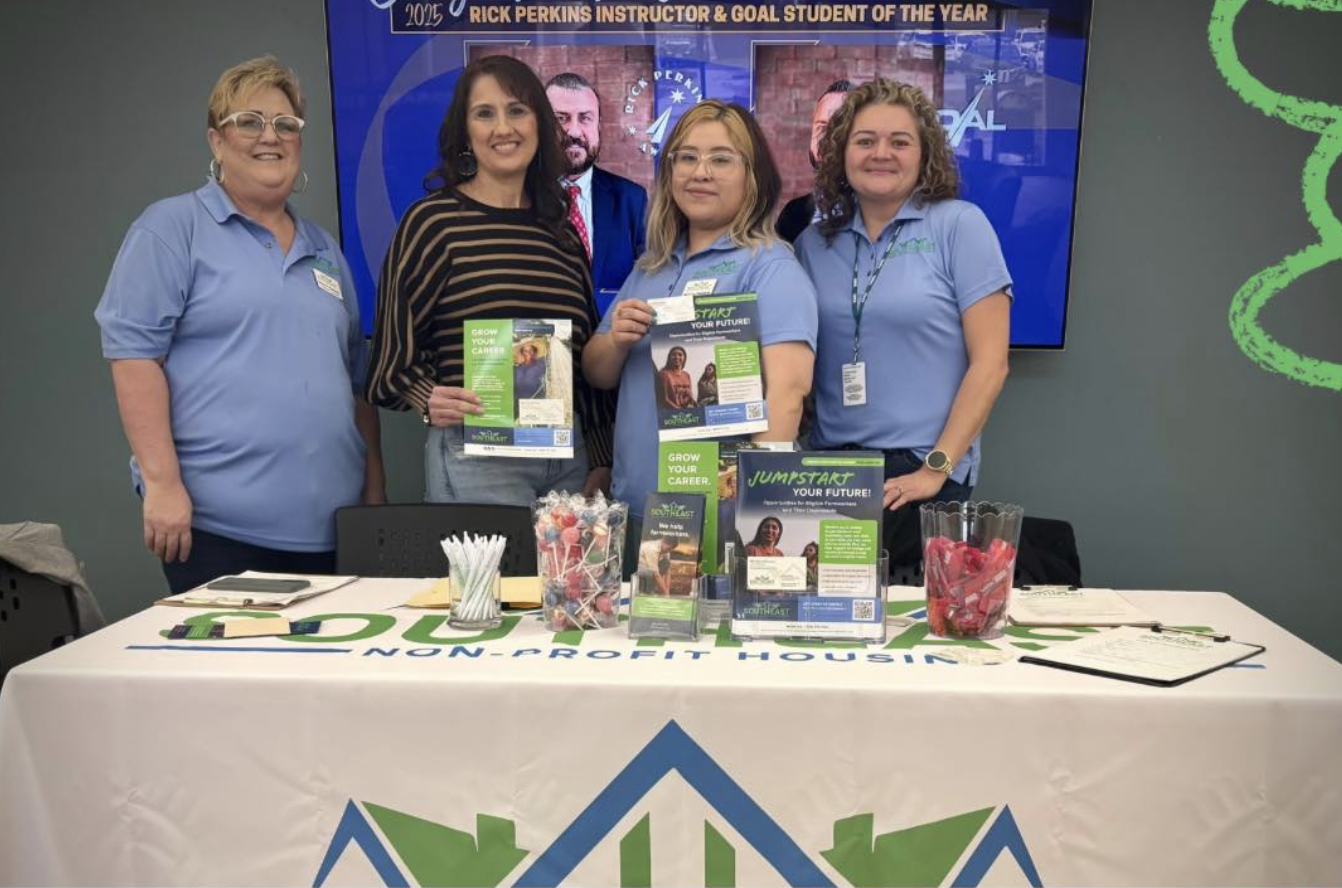
Since January 2006, Southeast Non-Profit Housing has helped farmworkers and their families to get a “hand up” in life, helping them find stable housing and resources to help better themselves. In recent years, the organization has expanded its impact on these agricultural families, as it has now created a new workforce development mission, which has several programs to help these individuals and families to find longstanding employment, and become even more self-sufficient.
“Our company has always been centered around seeing and helping people succeed. That’s always been our vision in everything that we’ve done,” Southeast Non-Profit Housing CEO Jacob Rogers emphasized.
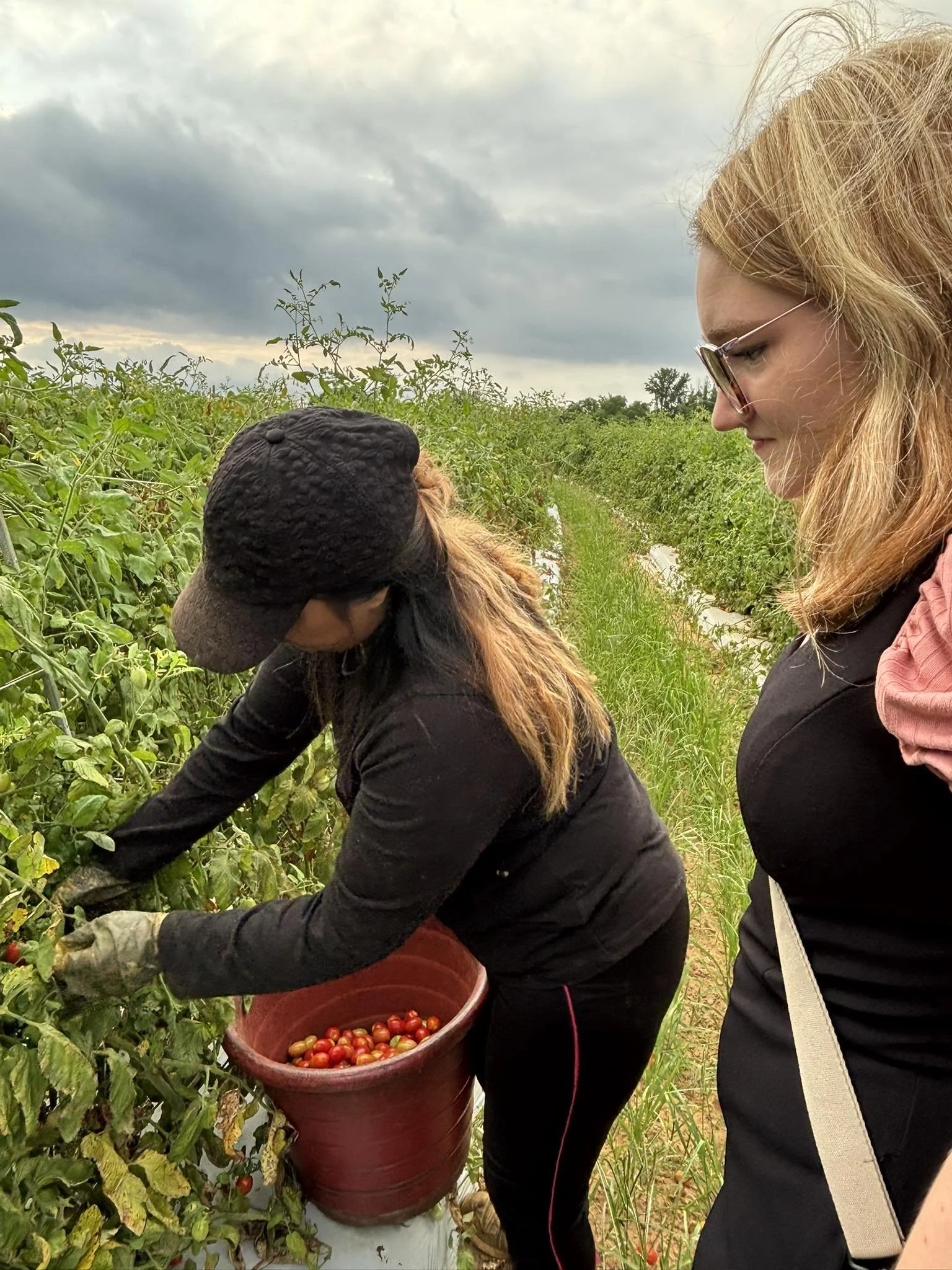
Twenty years ago, the organization first began in Alabama after individuals recognized a need to help agricultural workers – especially season and migrant farmworkers – to find and secure decent, safe, and affordable housing. This mission grew exponentially throughout six southeastern states and has helped thousands of people to make substantial improvements to their homes at no cost to them. The program sought to make low-income residents remain in an affordable home and in the communities that they desired to stay in – many of which they grew up in and had made roots there.
“We started out by building an apartment community that we still own today back in 2010/2011. We’ve housed dozens of families there over the last 15 years,” Rogers added.
Since first beginning in Alabama, Southeast Non-Profit Housing is expanded to having twelve offices that stretch across North Carolina, Alabama, and Georgia. One of those offices currently sits inside of the Department of Labor location in Vidalia, where Outreach Specialist Dianna Vazquez and others work to serve farmworkers and families in Tattnall, Emanuel, Candler, and Appling Counties.
Rogers, who joined the organization as the CEO around 15 years said that it was this mission of helping others to better themselves inspired him to join the effort. “One of the things that I have a strong passion for is what we do, and I’ve built this company very intentionally with like-minded people, but also with people with very different skills than each other, and certainly than me. What’s been amazing is that over the last year, our staff – we’re a team of around 40-45 people – have the same passion and excitement that I have about this. It’s incredibly fulfilling when I find other people who are just as invested into our vision as I am,” he remarked.
Workforce Development Program
Recently, in an effort to help people get out of poverty and into a sustaining job that will provide for them and their families, and improve their skills to get a job, Southeast Non-Profit Housing added a workforce development program. This new program aims to tackle a major need and issue with the community by empowering farmworkers and their families to gain new skills, abilities, and even confidence, so that they may find a stable job to help ensure that they will have the means of taking care of themselves and their families financially.
Yet, taking on a new program is a large feat for the company, as Rogers explained that this new program must fit into the overall mission of taking care of others. “We’ve really always been focused on people,” he explained. “We believe that the way that we approach some of our major issues in our communities is really the way of the future. We believe that treating people right means something and making sure that people have a good experience in some of the worst times of their lives and helping them through that experience is very important. But when we look at what lines of business we want to take on, it has to align with the values that we have now.”
He continued, “Also, whatever program we take on must allow our approach to tackling those issues because this isn’t a fly by the night thing. We take a very intentional approach to this so that people have better and higher outcomes for themselves and their families rather than just kind of blind-folded throwing a dart out there. When we look at what to bring on, we’re really looking at does it align with the values that we have [and] that we set forth – this is who we want to be in our communities. And then secondly, does it allow us the creative freedom to run it and to operate it alongside those values but in the way that we know is going to be successful?”
The workforce development program is available to farmworkers who have worked in the industry within the past 24 months and dependents of farmworkers, such as their spouses or children. To be eligible for the free programs, these individuals and families must be considered to be low-income based upon federal guidelines. Individuals with criminal records and/or lacking a high school diploma are also eligible for the program, as career counselors will help them to earn their options and even earn their General Equivalency Diploma (GED).
Some of the Adult Workforce and Career Services programs include personalized career counseling, job search assistance, on-the-job training, basic skills development, and integrated occupational skills courses. Participants may also work to receive certifications – such as commercial drivers’ licenses (CDL), healthcare certifications, welding certification, HVAC repair skills training, and more. Individuals may also take English as a Second Language (ESL) classes, resume writing classes, and other courses that may help them to more easily land a job. The available trainings and certifications may also vary based on finding and local job market needs.
The length of each program also varies, as career counselors work with participants to create personalized plans to directly address each individual’s needs so that they may find and obtain stable, year-round employment that matches their skills and interest – regardless if it is in the agriculture industry or not.
In addition to these trainings, Southeast Non-Profit Housing also offers supportive services, such as transportation, childcare, work-related tools or clothing. The group also works to help connect participants to other community organizations that may help them with any other needs that they may have.
“This has been a dream or vision of mine for about the last 12-14 years of redirecting the focus of the workforce development programs to be results-driven and focused on the real purpose and outcome. The purpose of any workforce development program is to have people employed and to help employers have available workforce that are skilled and ready to come to work for them. That’s the ultimate goal – it’s filling the jobs that employers have, and we’re even looking at it forward,” Rogers commented. “And it’s the same way with housing. Our housing programs even have a workforce development part of it. It’s that we want people who need a hand up to get out of a situation and back into self-sufficiency.”
He continued, “Being so focused on someone’s success and helping some define what success is for them is the future. And then, also saying, ‘in your area, here are the top five types of jobs that are most in demand. Here are the salaries; here’s the hourly ages for those.’ That’s one way that we’re going to serve our employers in our local areas in talking to our participants and people about what’s available to them and how to get there. Maybe it’s a short term training; maybe it’s a two year degree; maybe it’s a four year dgree – that’s the purpose.”
What Makes the Difference
In his opinion, two things help to set Southeast Non-Profit Housing apart from other programs designed to help issues of poverty, housing, and employment; being results-focused and fostering a relationship and connection with local employers.
“I think if we continue to think about only that – about employing people and getting them out of relying on publica assistance or taxpayers an getting them to a level of self-sufficiency – that is the future,” Rogers explained. “That is the whole purpose. Keeping that purpose in mind, that’s why I believe that our approach is the future of it because a lot of what we see now – there just isn’t that level of intensity of the approach to actually getting that done, and there are no relationships with employers. Usually these programs – government programs – employers know nothing about them.”
He added, “The process is so complex that it makes no sense. The timeline that these non-profits and government agencies put in place are unrealistic. People need to be at work now – not in three or four weeks, or whenever we can get paperwork done. The purpose is getting this person a job and serving this employer and focusing on that outcome, I think, is the only way for success.”
“We want to make sure that we meet with employers regularly to find out what they need and make sure that our operations are fulfilling what they need. I think just that simple, fundamental part – that’s also what sets us apart,” Rogers emphasized.