
STAY CONNECTED
The latest SENPH news and updates
Back-to-School Community Events
As part of our anniversary celebration, SENPH was proud to support our communities throughout the back-to-school season. In June and July, we collected school supplies and partnered with local community events to help families prepare for the new school year. In August, those efforts came full circle as we helped distribute supplies to students and families in our communities.
We’re grateful to everyone who donated, volunteered, and helped make these events possible—and proud to celebrate another year of serving our communities together!


In Photos: Farmworker Awareness & Appreciation in Action
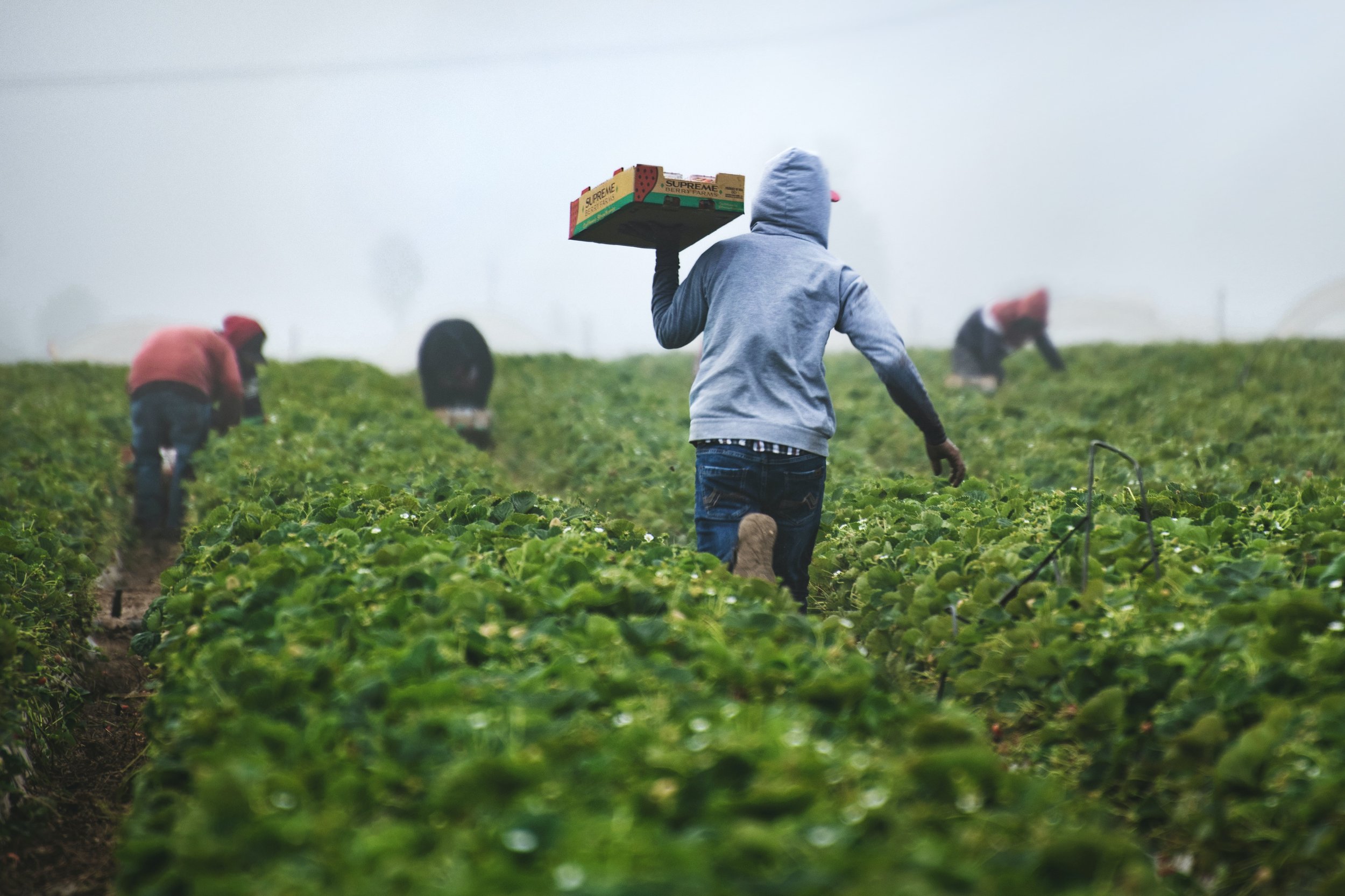
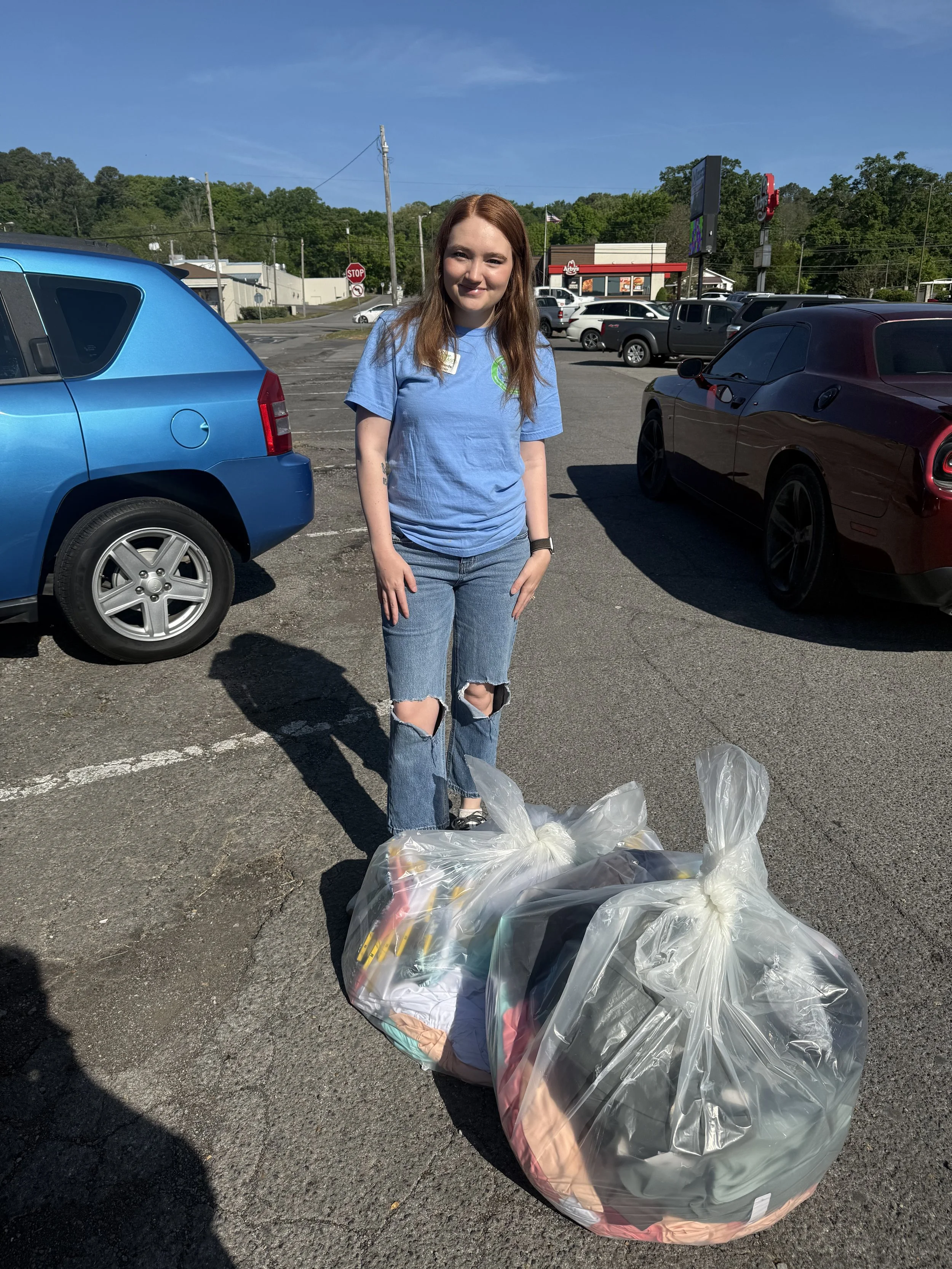
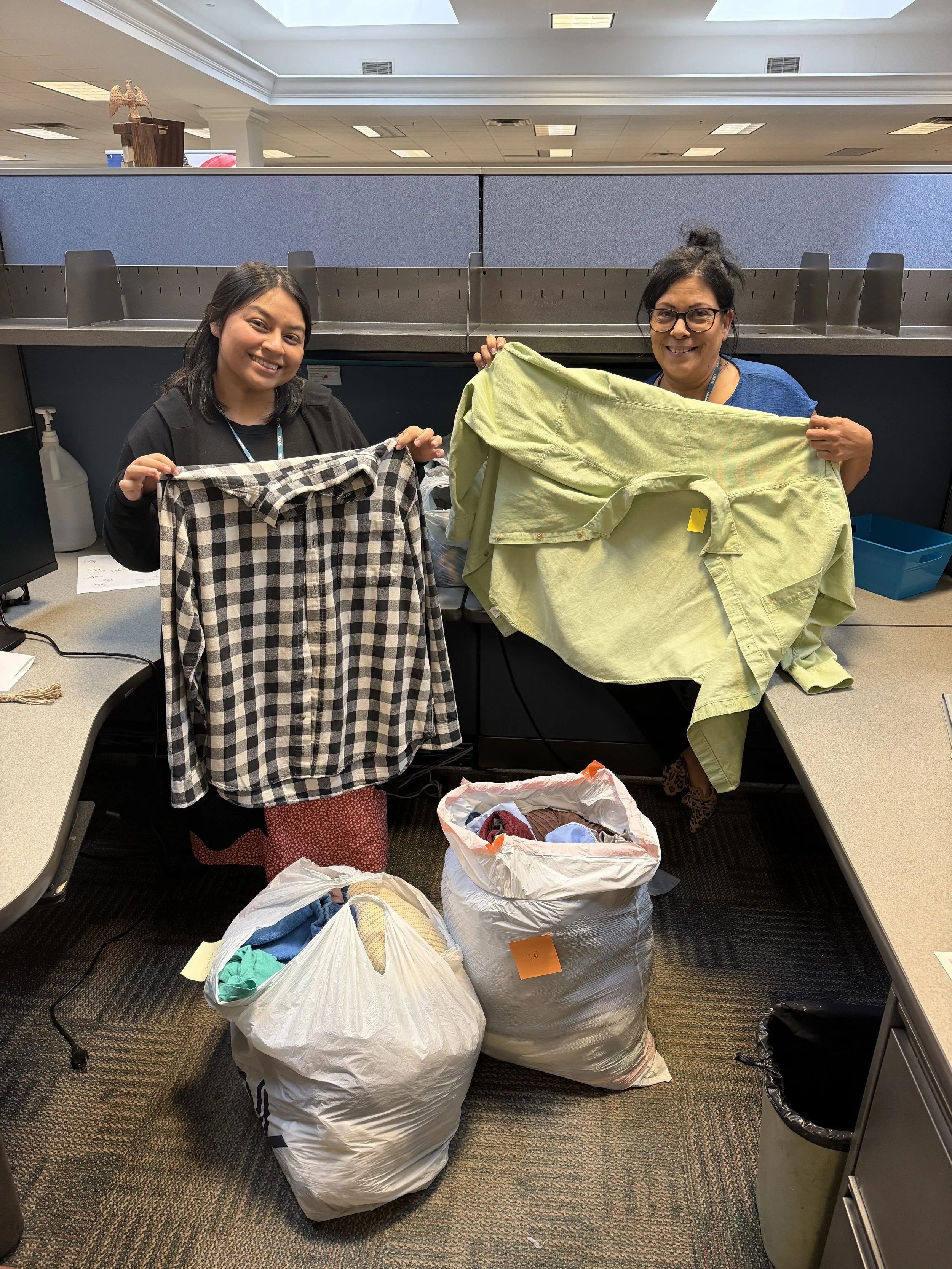
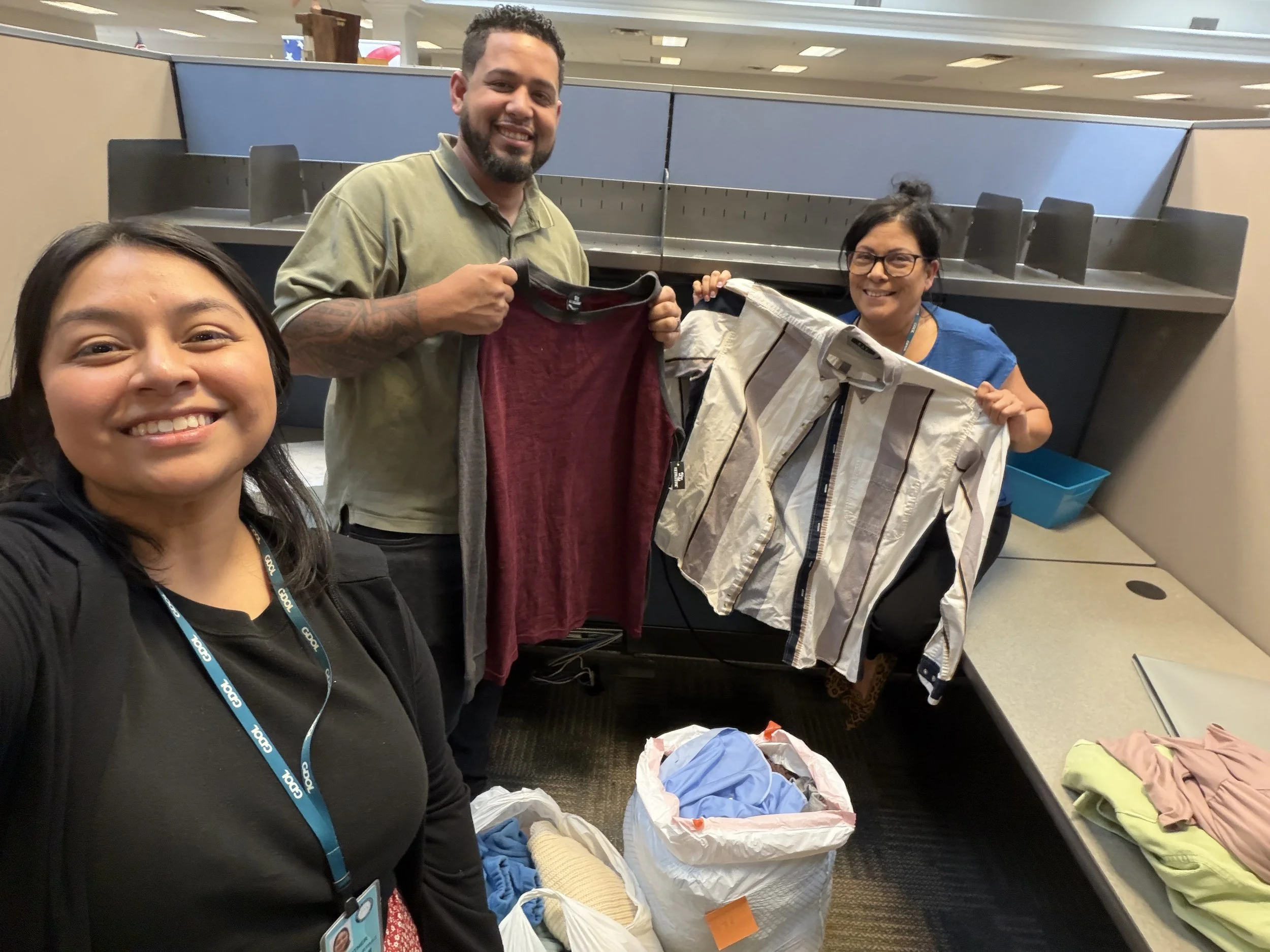
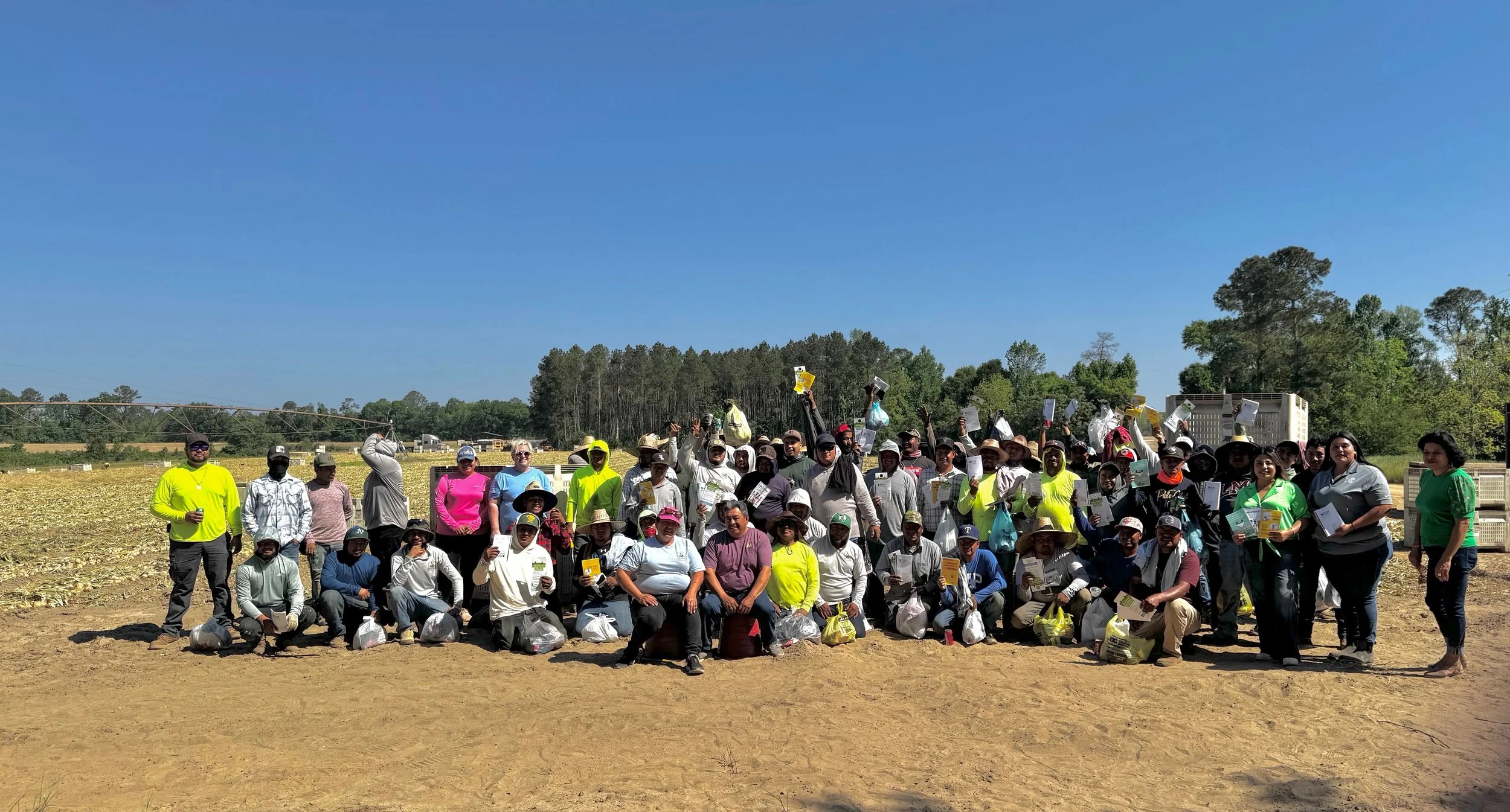
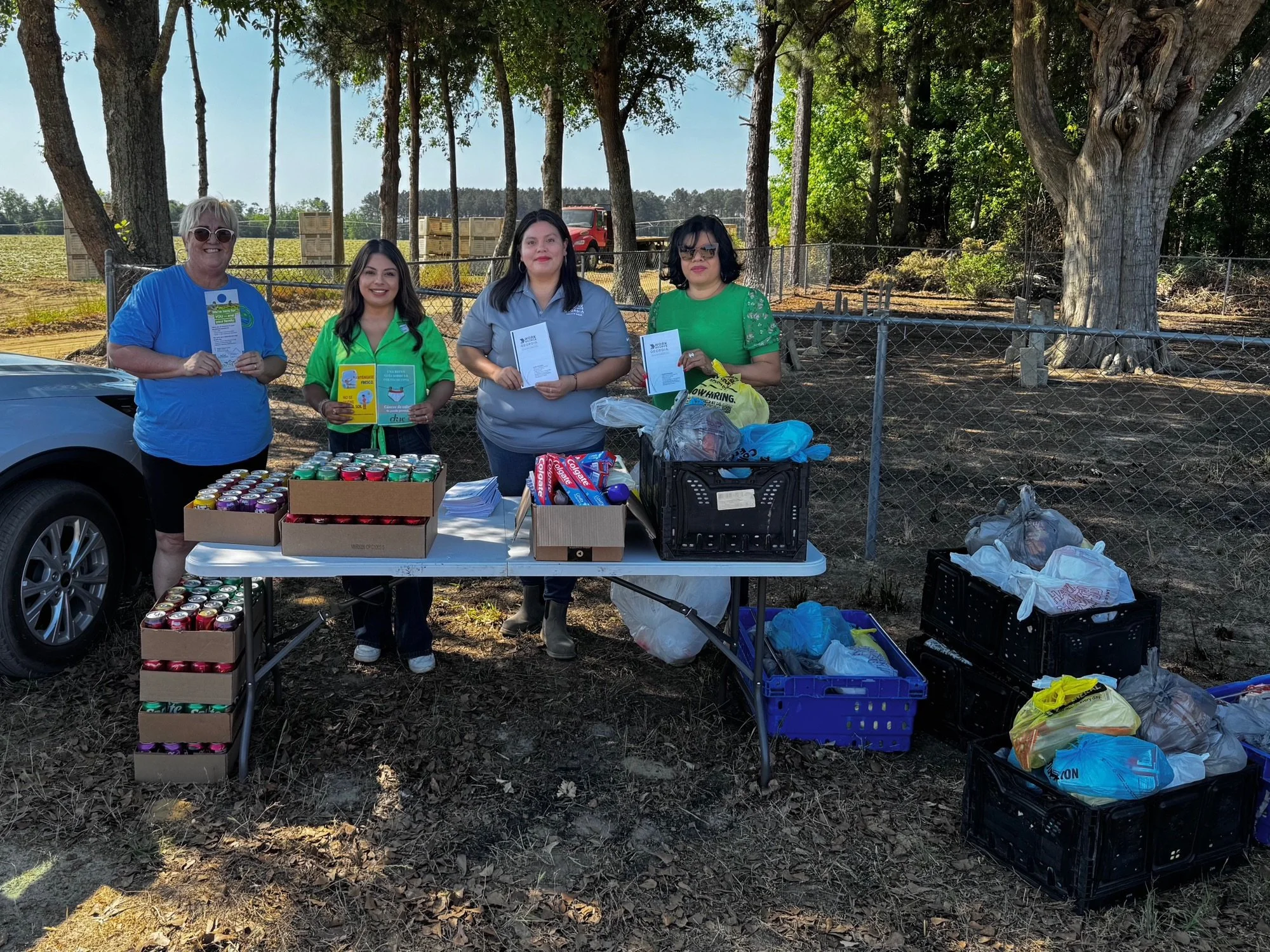
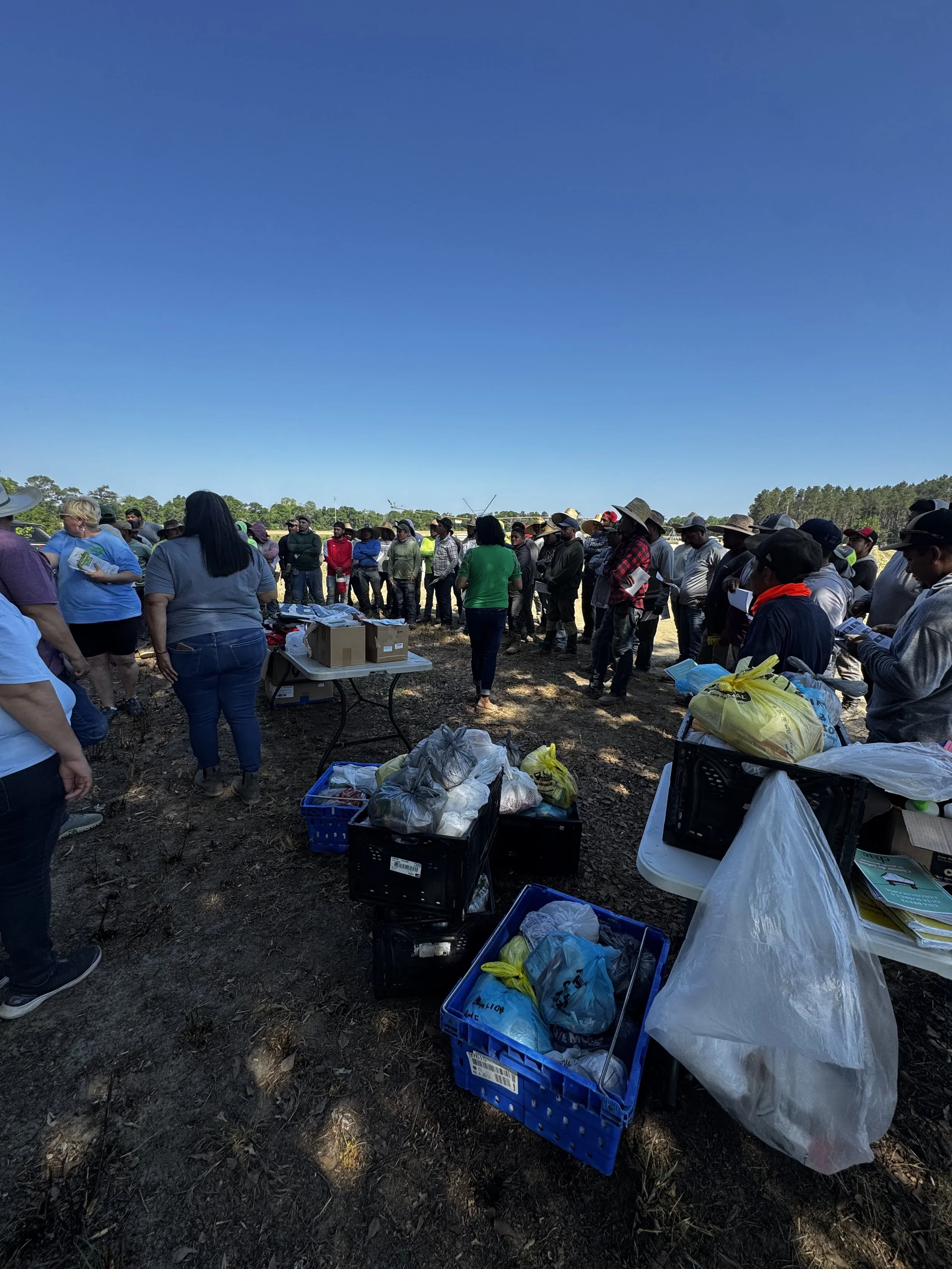
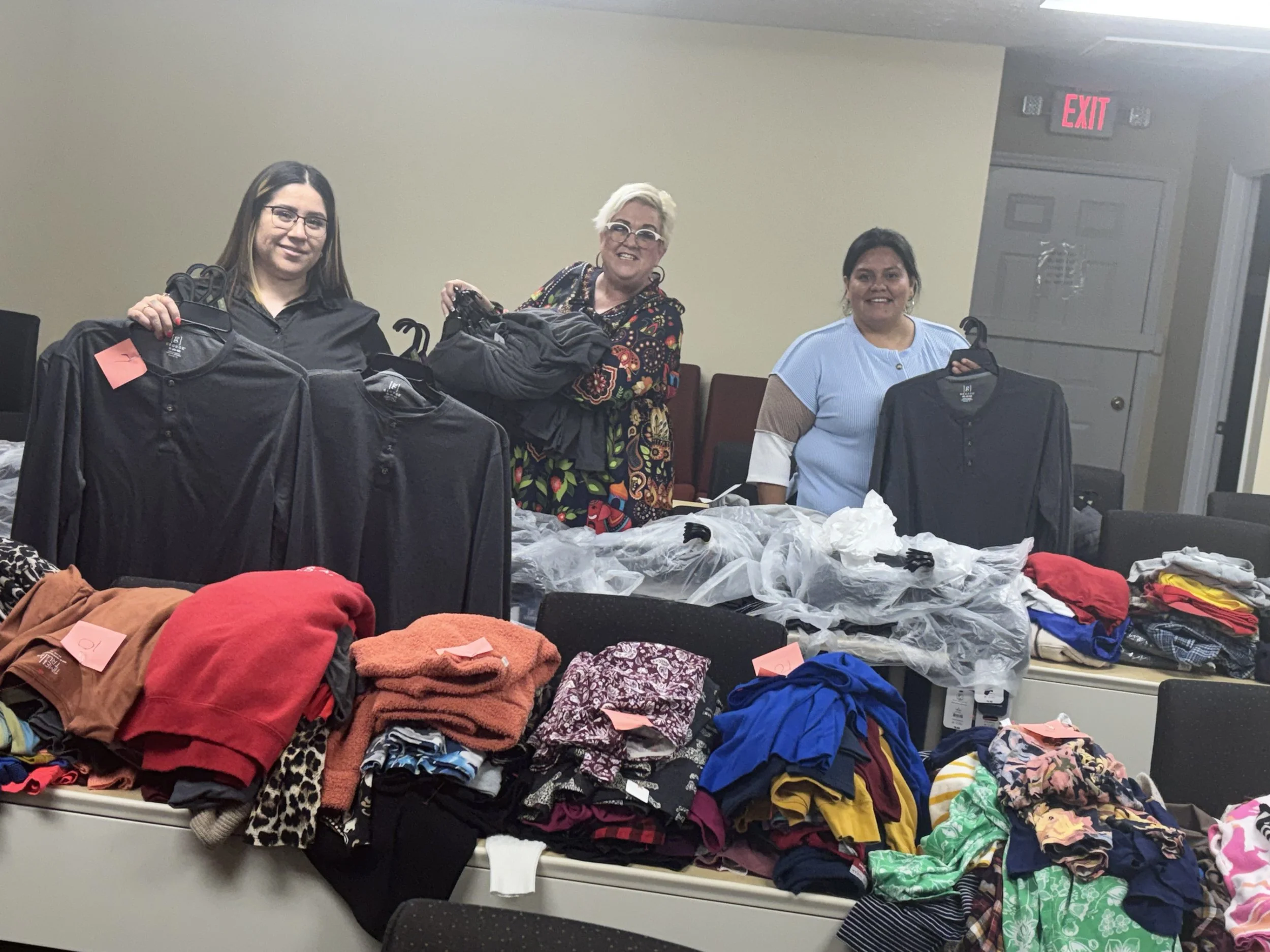
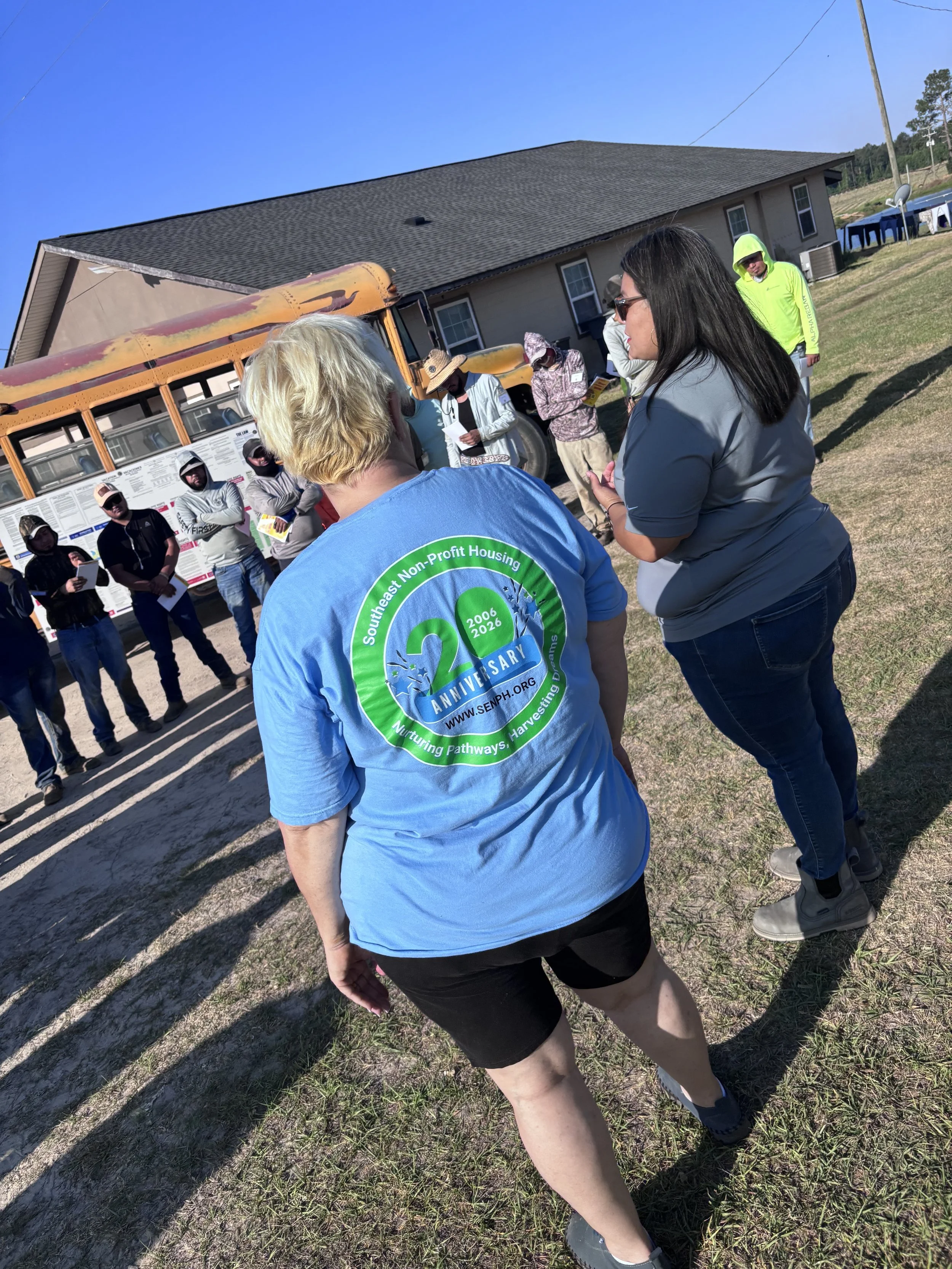
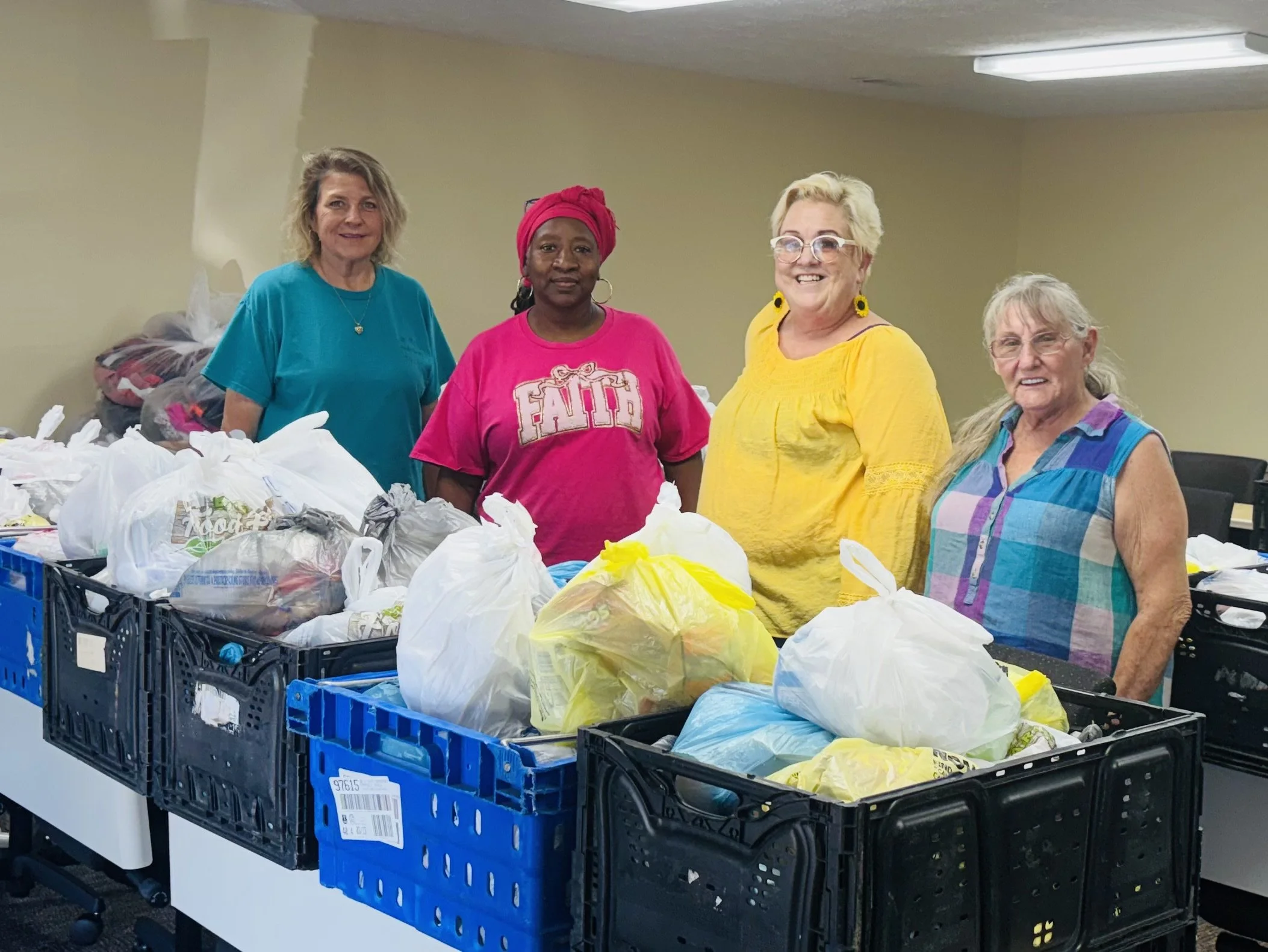
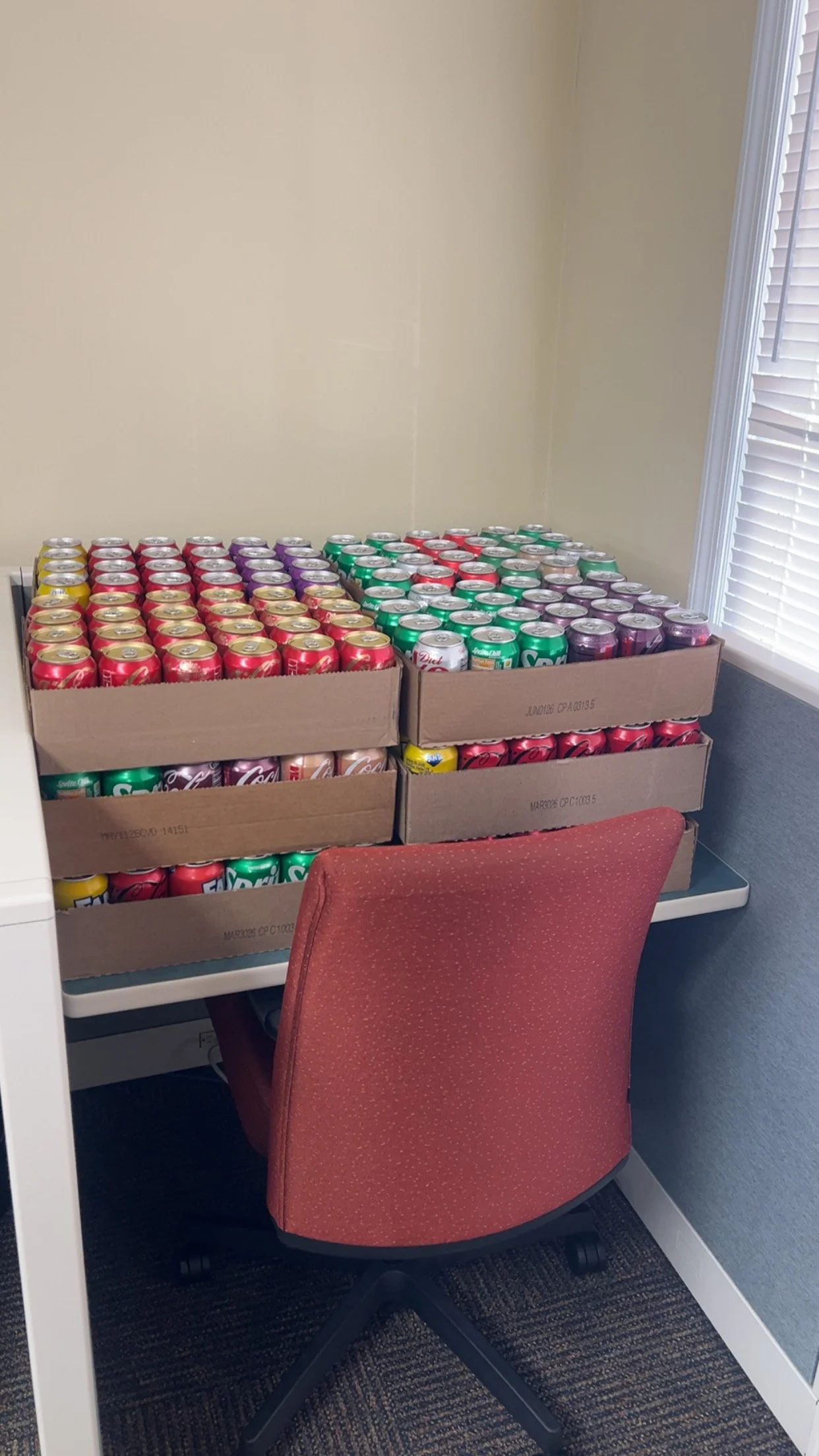
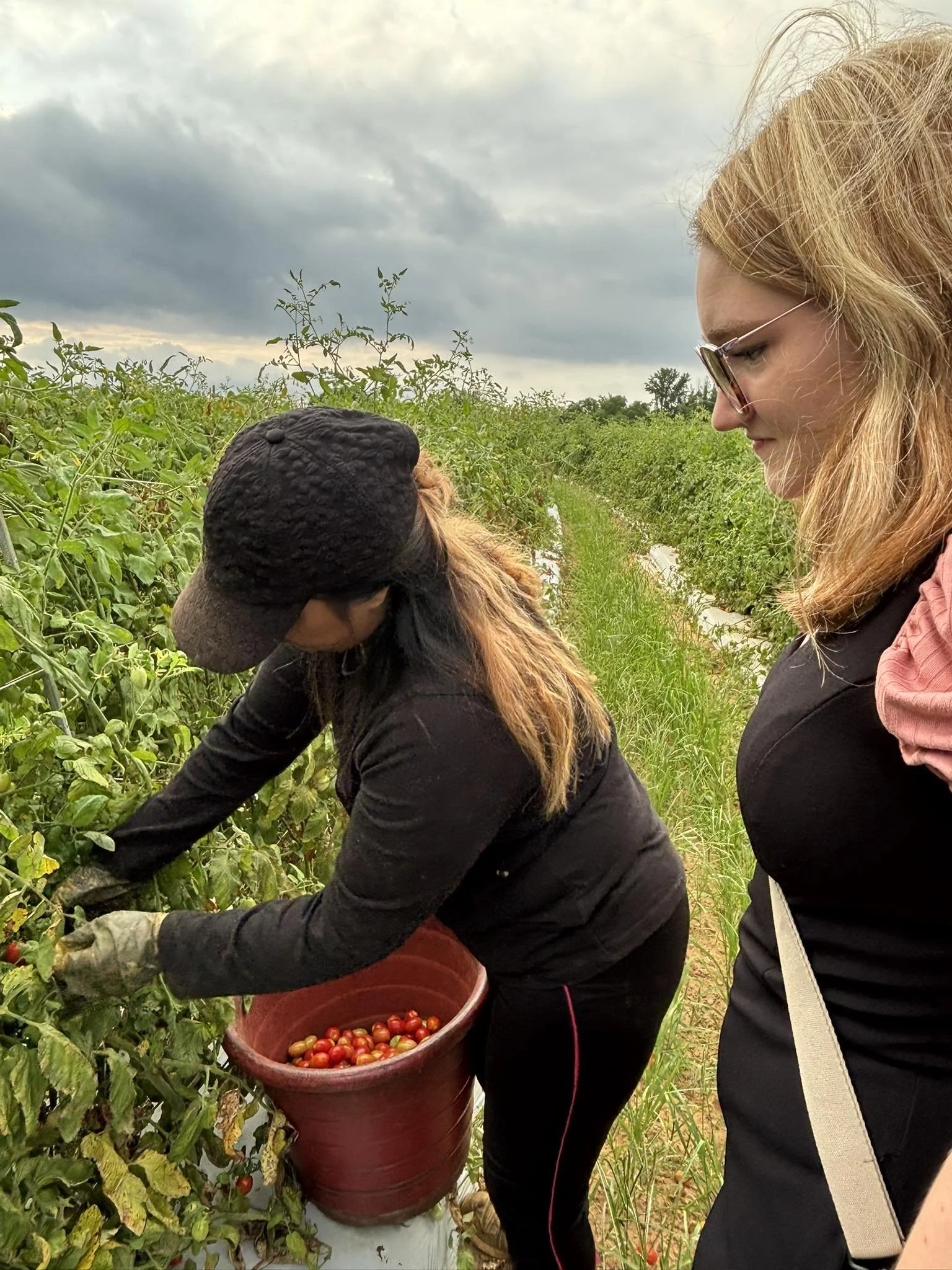
In March, we recognized Farmworker Awareness Month by organizing a community donation drive to collect essential items for local farmworkers. With the generous support of our partners and community members, we gathered more than 500 donations, including long-sleeve shirts, socks, hygiene products, drinks, snacks, and other everyday necessities. In April, during Farmworker Appreciation Month, we visited farms throughout the area to distribute these items directly to farmworkers as a small gesture of gratitude for the vital work they do to support our communities. We are incredibly thankful to everyone who contributed and helped make this effort possible.
Rooted in Legacy: Celebrating Black Farmers and the SENPH Mission
As Southeast Non‑Profit Housing (SENPH) celebrates 20 years of service, the heart of that work can be found in the people who plant, nurture, and harvest our food — and in the families whose futures are shaped by opportunity and resilience. SENPH’s mission is to strengthen communities by providing housing and workforce development solutions for families, especially farmworkers and their dependents across the Southeast.
Black farmers and farmworkers have long been essential to our region’s agricultural heritage, yet their stories are often overlooked. For Black History Month and SENPH’s 20‑year anniversary, we highlighted some of these voices.
Hill Family Farm: Cultivating Community and Healthy Futures
For the Hill family, farming began as a way of life. Growing up in a community grounded in agriculture and homegrown food, they embraced farming as both heritage and service. Today, Hill Family Farm extends that legacy through youth programs and hands‑on experiences designed to teach young people the importance of healthy eating and community care. Their work reflects core principles of stewardship, access, and opportunity -- values that echo SENPH’s commitment to empowering farmworker families through education and workforce services.
At Hill Family Farm, the goal is more than producing food -- it’s about building a legacy where healthy living and community belonging are accessible to all.
Rico McDuffie: Farming as Purpose and Pathway
For Rico McDuffie, farming has been a calling since childhood. Through an apprenticeship program in Delco, NC, Rico gained real‑world agricultural skills and discovered how hands‑on learning shapes personal and professional growth. Today, he’s working toward his GED and exploring agricultural training opportunities -- a journey that aligns directly with SENPH’s Career Service & Training programs, which offer career counseling, skill building, and mentorship to help farmworkers and youth achieve long‑term economic independence.
Rico’s story is one of resilience and ambition. He’s proud of his accomplishments as head of his household and intent on building his own farm -- demonstrating how access to training and support opens doors to future success. Watch to learn more.
Participant Success Story: Eugenia Gaffney
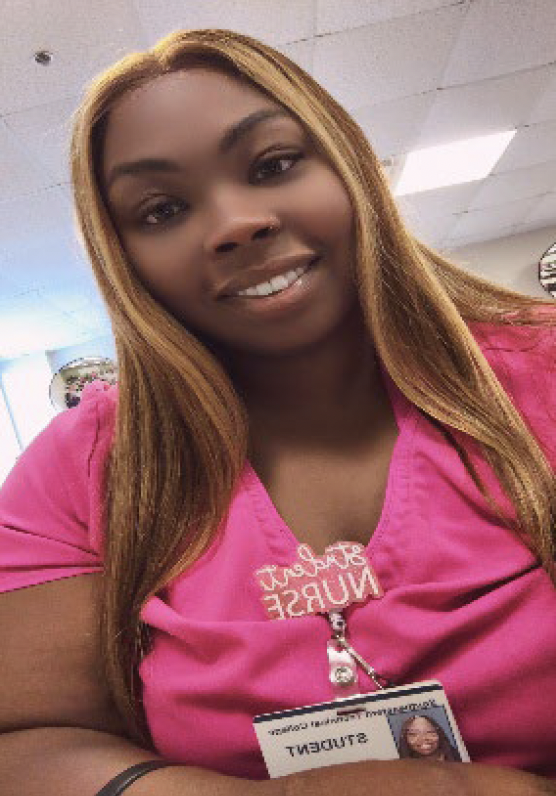
Eugenia Gaffney, SENPH Participant
Eugenia Gaffney’s journey in farm work began as a young girl, spending summers in the fields with her great-uncle picking field peas alongside her cousins. What felt like simple summer work at the time planted the seeds of a strong work ethic rooted in family, tradition, and resilience. She also grew up watching her family gather pine straw from her grandfather’s pine trees each year, witnessing firsthand the hard labor that sustained generations before her.
During a particularly difficult season in her life, Eugenia stepped into that same pine straw work herself to provide for her family. That opportunity came exactly when she needed it most, helping her survive a challenging time and reminding her of the strength she carries from those who came before her.
Today, Eugenia is a single mother of two children and is currently pursuing an Associate Degree in Science of Nursing at Southeastern Technical College in Vidalia, Georgia. She began her studies on August 18, 2025, driven by the desire to build a better future not only for herself but for her children.
Through the support of Southeast Non-Profit Housing, Eugenia has been able to turn generations of farm work, sacrifice, and perseverance into a pathway toward higher education and stability. Her story is a reflection of the enduring legacy of Black farmworkers — a legacy of strength, determination, and hope — and stands as a powerful reminder during Black History Month that when communities invest in one another, futures are changed.
Participant Success Story: Luzmiriam Reyes Avila
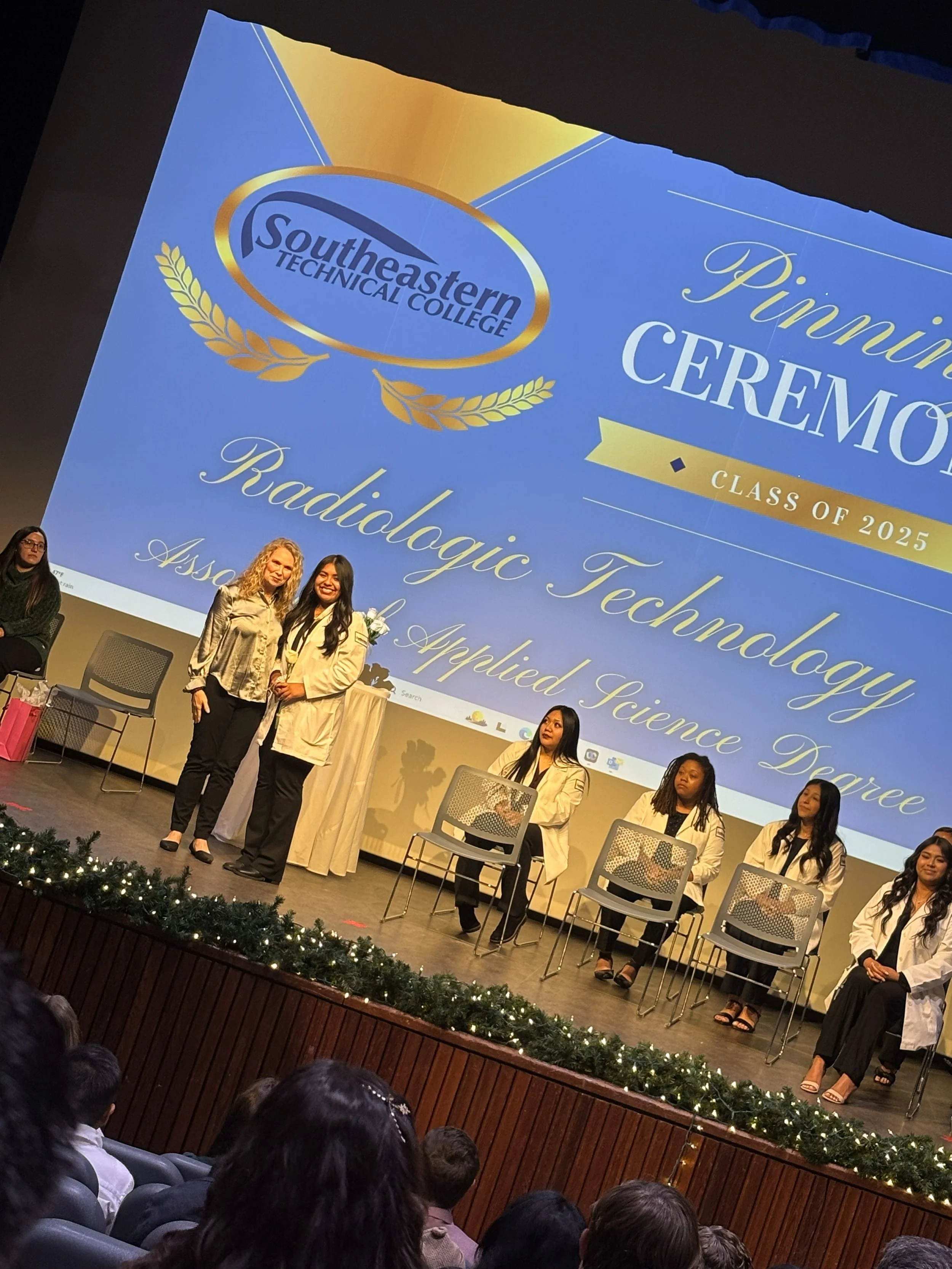
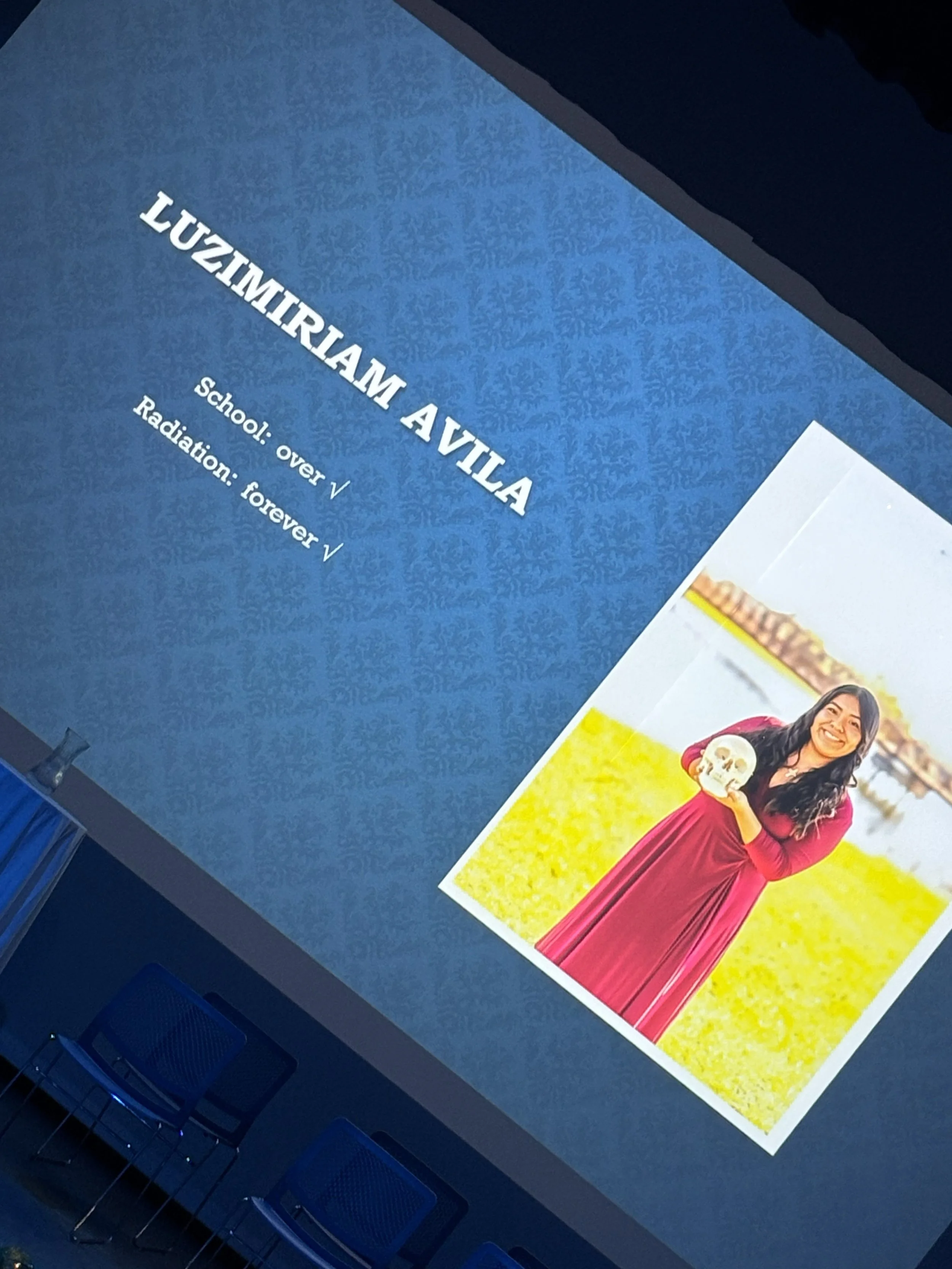
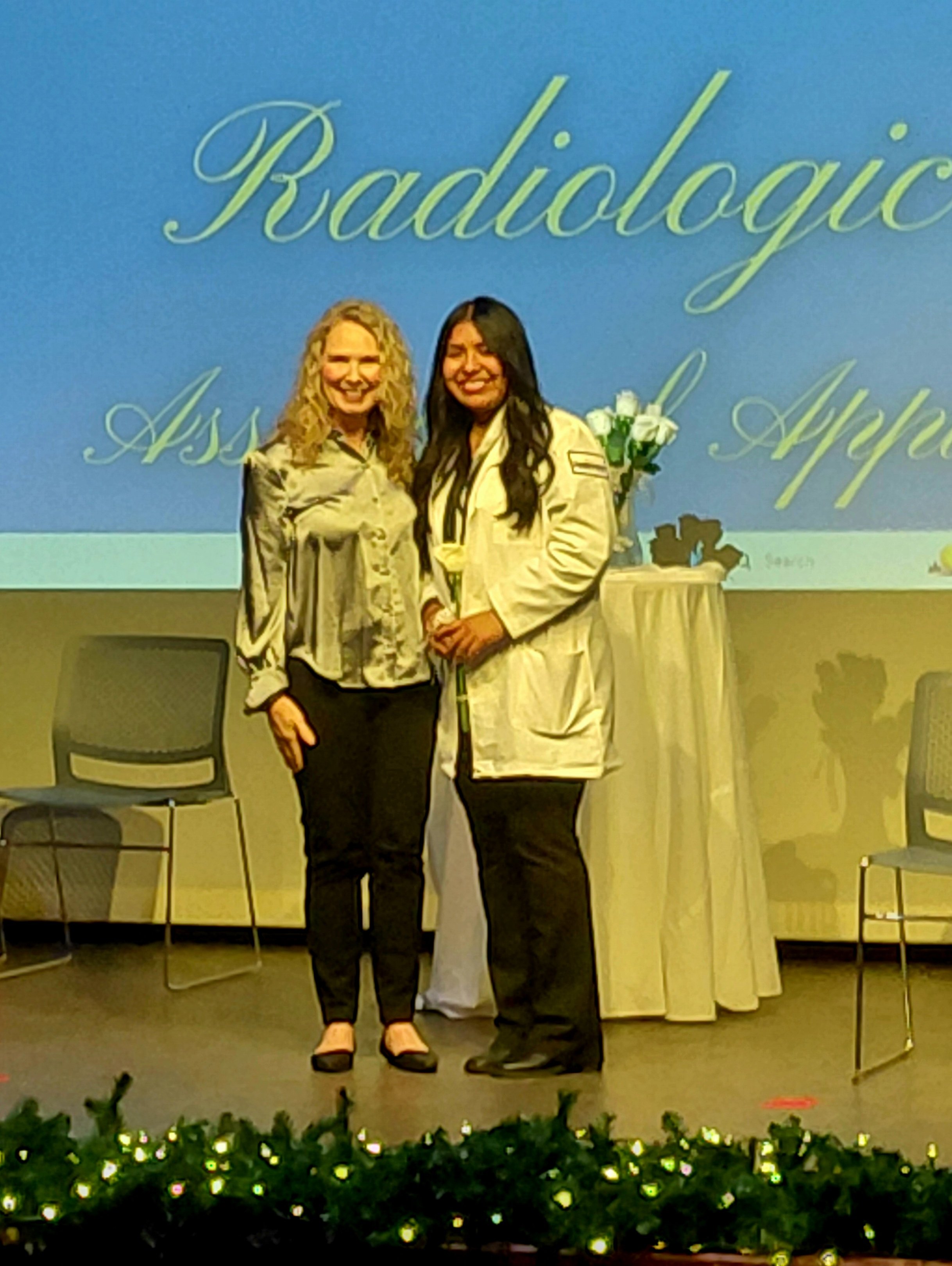
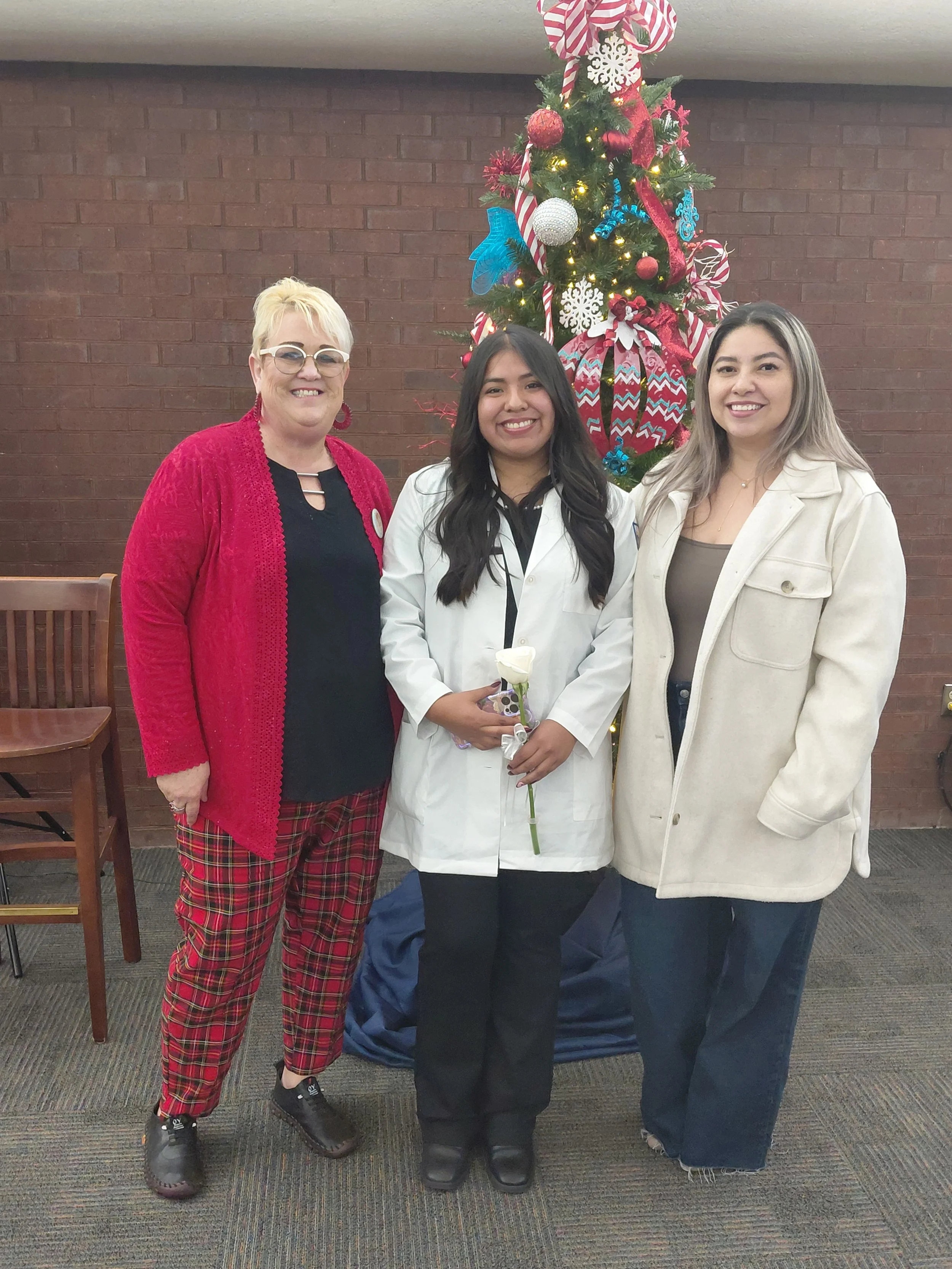
Luzmiriam Reyes Avila enrolled in the Southeast Non-Profit Housing program in the Fall 2025 as a full-time student in the Radiologic Technology program at Southeastern Technical College while facing significant financial and transportation barriers. Coming from a low-income, farmworker household, she relied primarily on financial aid and limited family income to support her educational goals.
Throughout her participation, she received comprehensive support through needs-related payments, transportation assistance, nutritional assistance, academic counseling, and ongoing case management. These services helped stabilize her circumstances and allowed her to remain fully engaged in her coursework and clinical training.
Despite experiencing delays in stipend processing and challenges with technology access, Luzmiriam demonstrated strong perseverance and maintained consistent communication with program staff. When her laptop malfunctioned during her final semester, the program provided immediate assistance to ensure she could continue preparing for her licensure examination without interruption. Program staff also maintained regular follow-up and attended her graduation ceremony in December 2025 in recognition of her accomplishments.
In December 2025, Luzmiriam successfully completed the Radiologic Technology program, earned her Associate degree, and passed the American Registry of Radiologic Technologists (ARRT) exam. She obtained her professional certification and is prepared to enter the healthcare workforce as a Radiologic Technologist.
This outcome reflects the effectiveness of individualized case management, timely supportive services, and strong participant engagement. Luzmiriam’s successful transition from training to credential attainment demonstrates the program’s impact in reducing barriers, promoting persistence, and supporting participants in achieving long-term employment and economic self-sufficiency.
Saray’s Path Forward: From Student to Healthcare Professional
Saray’s story is one of focus, perseverance, and possibility. A senior in high school and the proud daughter of a farm worker, Saray is already building a future in healthcare with intention and confidence. With dreams of studying radiation therapy, she’s taken meaningful steps early on, becoming both a CNA and a phlebotomy technician before even graduating. Along the way, staying focused hasn’t always been easy, but Saray credits the guidance and encouragement of her Career Advisor for helping her navigate challenges and stay on track toward her goals.
Here, Saray shares how having a mentor by her side has made a difference — offering support, accountability, and reassurance at key moments. Her journey is a reminder that success doesn’t come from doing it alone, but from having people who believe in your potential and help you see what’s possible. Watch the full video to hear Saray’s story, learn about her career path, and see how mentorship can open doors for the next generation.
Community Living Magazine: A hand up to self-sufficiency
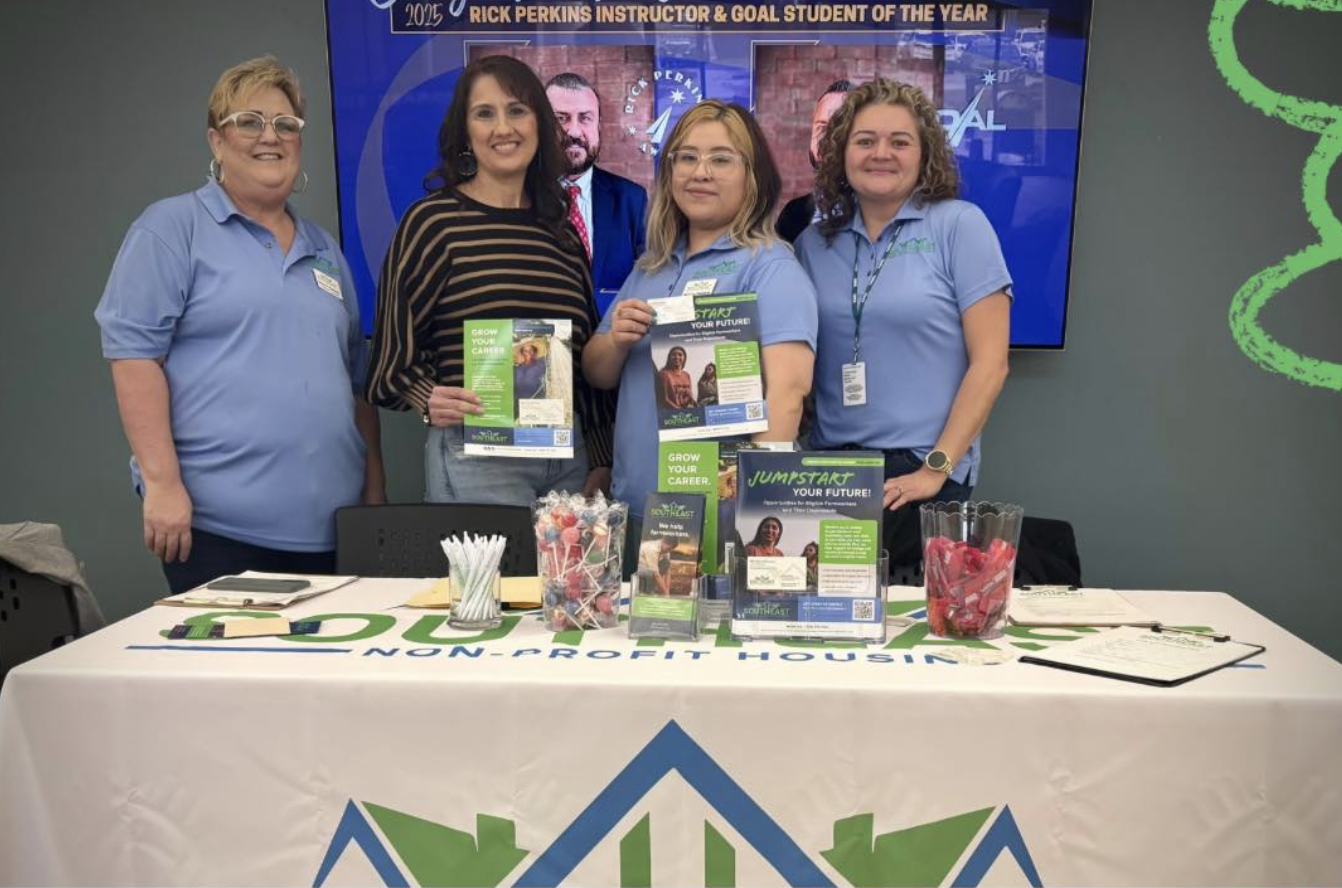
Since January 2006, Southeast Non-Profit Housing has helped farmworkers and their families to get a “hand up” in life, helping them find stable housing and resources to help better themselves. In recent years, the organization has expanded its impact on these agricultural families, as it has now created a new workforce development mission, which has several programs to help these individuals and families to find longstanding employment, and become even more self-sufficient.
“Our company has always been centered around seeing and helping people succeed. That’s always been our vision in everything that we’ve done,” Southeast Non-Profit Housing CEO Jacob Rogers emphasized.
Twenty years ago, the organization first began in Alabama after individuals recognized a need to help agricultural workers – especially season and migrant farmworkers – to find and secure decent, safe, and affordable housing. This mission grew exponentially throughout six southeastern states and has helped thousands of people to make substantial improvements to their homes at no cost to them. The program sought to make low-income residents remain in an affordable home and in the communities that they desired to stay in – many of which they grew up in and had made roots there.
“We started out by building an apartment community that we still own today back in 2010/2011. We’ve housed dozens of families there over the last 15 years,” Rogers added.
Since first beginning in Alabama, Southeast Non-Profit Housing is expanded to having twelve offices that stretch across North Carolina, Alabama, and Georgia. One of those offices currently sits inside of the Department of Labor location in Vidalia, where Outreach Specialist Dianna Vazquez and others work to serve farmworkers and families in Tattnall, Emanuel, Candler, and Appling Counties.
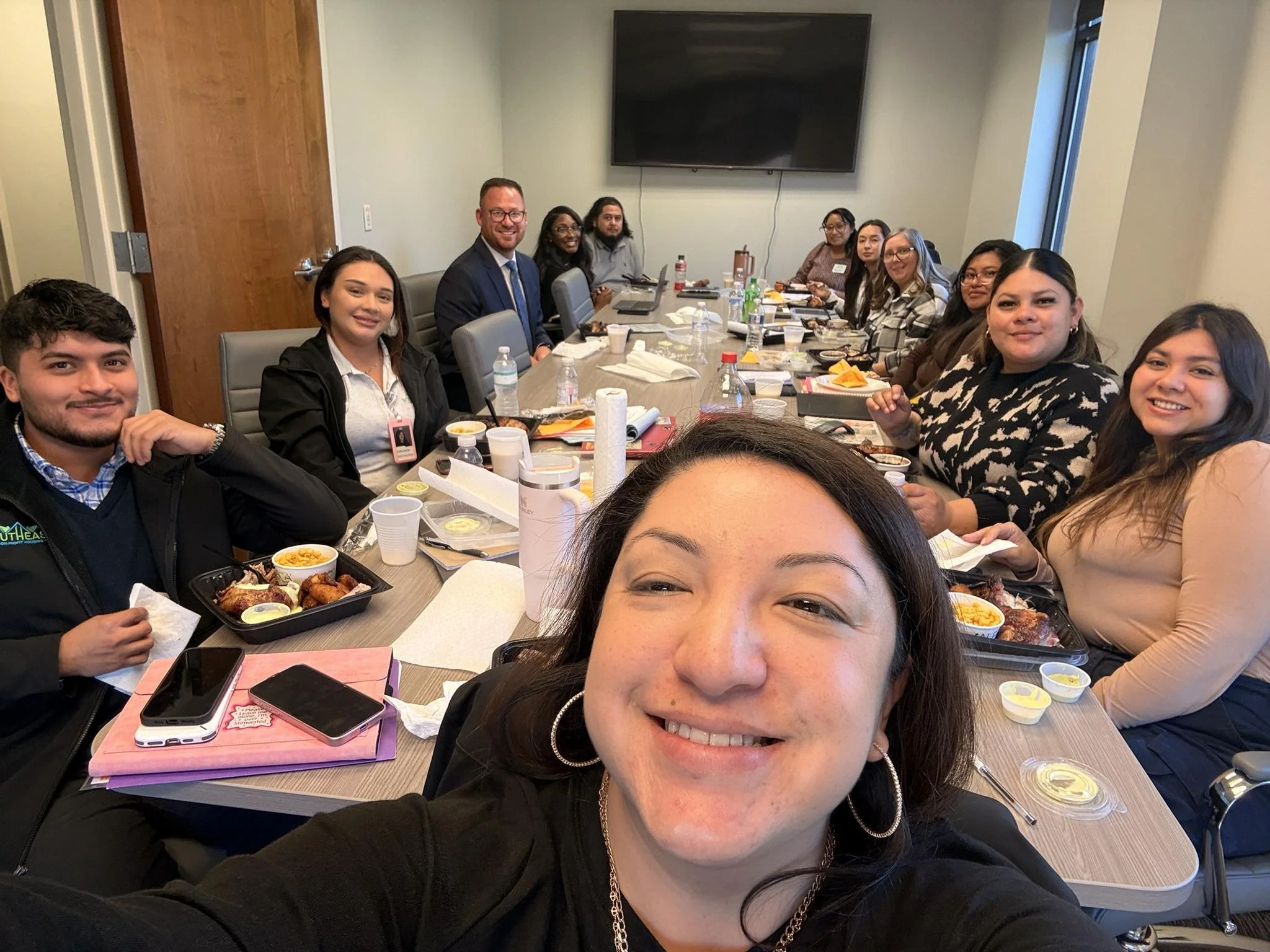
Rogers, who joined the organization as the CEO around 15 years said that it was this mission of helping others to better themselves inspired him to join the effort. “One of the things that I have a strong passion for is what we do, and I’ve built this company very intentionally with like-minded people, but also with people with very different skills than each other, and certainly than me. What’s been amazing is that over the last year, our staff – we’re a team of around 40-45 people – have the same passion and excitement that I have about this. It’s incredibly fulfilling when I find other people who are just as invested into our vision as I am,” he remarked.
Workforce Development Program
Recently, in an effort to help people get out of poverty and into a sustaining job that will provide for them and their families, and improve their skills to get a job, Southeast Non-Profit Housing added a workforce development program. This new program aims to tackle a major need and issue with the community by empowering farmworkers and their families to gain new skills, abilities, and even confidence, so that they may find a stable job to help ensure that they will have the means of taking care of themselves and their families financially.
Yet, taking on a new program is a large feat for the company, as Rogers explained that this new program must fit into the overall mission of taking care of others. “We’ve really always been focused on people,” he explained. “We believe that the way that we approach some of our major issues in our communities is really the way of the future. We believe that treating people right means something and making sure that people have a good experience in some of the worst times of their lives and helping them through that experience is very important. But when we look at what lines of business we want to take on, it has to align with the values that we have now.”
He continued, “Also, whatever program we take on must allow our approach to tackling those issues because this isn’t a fly by the night thing. We take a very intentional approach to this so that people have better and higher outcomes for themselves and their families rather than just kind of blind-folded throwing a dart out there. When we look at what to bring on, we’re really looking at does it align with the values that we have [and] that we set forth – this is who we want to be in our communities. And then secondly, does it allow us the creative freedom to run it and to operate it alongside those values but in the way that we know is going to be successful?”
The workforce development program is available to farmworkers who have worked in the industry within the past 24 months and dependents of farmworkers, such as their spouses or children. To be eligible for the free programs, these individuals and families must be considered to be low-income based upon federal guidelines. Individuals with criminal records and/or lacking a high school diploma are also eligible for the program, as career counselors will help them to earn their options and even earn their General Equivalency Diploma (GED).
Some of the Adult Workforce and Career Services programs include personalized career counseling, job search assistance, on-the-job training, basic skills development, and integrated occupational skills courses. Participants may also work to receive certifications – such as commercial drivers’ licenses (CDL), healthcare certifications, welding certification, HVAC repair skills training, and more. Individuals may also take English as a Second Language (ESL) classes, resume writing classes, and other courses that may help them to more easily land a job. The available trainings and certifications may also vary based on finding and local job market needs.
The length of each program also varies, as career counselors work with participants to create personalized plans to directly address each individual’s needs so that they may find and obtain stable, year-round employment that matches their skills and interest – regardless if it is in the agriculture industry or not.
In addition to these trainings, Southeast Non-Profit Housing also offers supportive services, such as transportation, childcare, work-related tools or clothing. The group also works to help connect participants to other community organizations that may help them with any other needs that they may have.
“This has been a dream or vision of mine for about the last 12-14 years of redirecting the focus of the workforce development programs to be results-driven and focused on the real purpose and outcome. The purpose of any workforce development program is to have people employed and to help employers have available workforce that are skilled and ready to come to work for them. That’s the ultimate goal – it’s filling the jobs that employers have, and we’re even looking at it forward,” Rogers commented. “And it’s the same way with housing. Our housing programs even have a workforce development part of it. It’s that we want people who need a hand up to get out of a situation and back into self-sufficiency.”
He continued, “Being so focused on someone’s success and helping some define what success is for them is the future. And then, also saying, ‘in your area, here are the top five types of jobs that are most in demand. Here are the salaries; here’s the hourly ages for those.’ That’s one way that we’re going to serve our employers in our local areas in talking to our participants and people about what’s available to them and how to get there. Maybe it’s a short term training; maybe it’s a two year degree; maybe it’s a four year dgree – that’s the purpose.”
What Makes the Difference
In his opinion, two things help to set Southeast Non-Profit Housing apart from other programs designed to help issues of poverty, housing, and employment; being results-focused and fostering a relationship and connection with local employers.
“I think if we continue to think about only that – about employing people and getting them out of relying on publica assistance or taxpayers an getting them to a level of self-sufficiency – that is the future,” Rogers explained. “That is the whole purpose. Keeping that purpose in mind, that’s why I believe that our approach is the future of it because a lot of what we see now – there just isn’t that level of intensity of the approach to actually getting that done, and there are no relationships with employers. Usually these programs – government programs – employers know nothing about them.”
He added, “The process is so complex that it makes no sense. The timeline that these non-profits and government agencies put in place are unrealistic. People need to be at work now – not in three or four weeks, or whenever we can get paperwork done. The purpose is getting this person a job and serving this employer and focusing on that outcome, I think, is the only way for success.”
“We want to make sure that we meet with employers regularly to find out what they need and make sure that our operations are fulfilling what they need. I think just that simple, fundamental part – that’s also what sets us apart,” Rogers emphasized.
Southeast Non-Profit Housing Celebrates 20 Years of Service, Expands Reach Across the Region
Formally known as Alabama Non-Profit Housing Inc., the organization has expanded throughout the Southeast, rebranding as Southeast Non-Profit Housing Inc. (SENPH) to reflect its broader impact. This milestone coincides with the celebration of the organization’s 20th anniversary, marking two decades of advancing affordable housing and workforce development solutions for families. SENPH’s mission is to improve our communities by providing housing and workforce development solutions for families. Primarily focused in rural communities across the southeast, SENPH has 14 office locations in Alabama, Georgia, and North Carolina.
The vision for Southeast Non-Profit Housing Inc. began in 2006 with the development of a grant proposal that laid the foundation for the group’s first housing project. That vision culminated in 2011 with the opening of Casa Bonita , a ten-unit community in Oneonta, Alabama, funded by USDA Rural Development. Casa Bonita was the organization’s first completed project and remains a cornerstone of its mission today.
What began in Oneonta Alabama 20 years ago has now grown into a regional effort. The expansion into Georgia and North Carolina reflects both the growing needs of rural families and our ongoing commitment to providing housing, career development, and supportive services across the Southeast.
Building on its foundation of affordable housing initiatives, SENPH has also expanded its focus on workforce development with an emphasis on empowering farmworkers and their families. Through comprehensive career and training programs—including job placement support, work experience, and on-the-job training with local businesses—SENPH is working to increase access to economic opportunity and long-term stability across the region.